Winter flying presents unique challenges that extend beyond weather and performance considerations. The very system that makes cold-weather operations comfortable, like your aircraft’s cabin heating system, creates the most direct pathway for carbon monoxide to enter the cabin and endanger your life. Understanding how aircraft heating systems create CO vulnerability, recognizing the warning signs of heating system failures, and implementing winter-specific inspection protocols transforms cabin heat from a potential threat into a safely managed comfort system.
Cold weather operations dramatically increase carbon monoxide risk because pilots operate cabin heat continuously for extended periods. What might be occasional heat usage during mild weather becomes constant operation throughout winter flights, maximizing exposure time to any exhaust system contamination. This guide examines the specific CO risks associated with aircraft heating systems and provides practical strategies for safe winter operations.
Understanding Aircraft Heating System Vulnerabilities
Most general aviation aircraft use remarkably simple heating systems that, while effective and lightweight, create inherent carbon monoxide risks requiring careful management.
**Exhaust-Heated Cabin Air Systems**
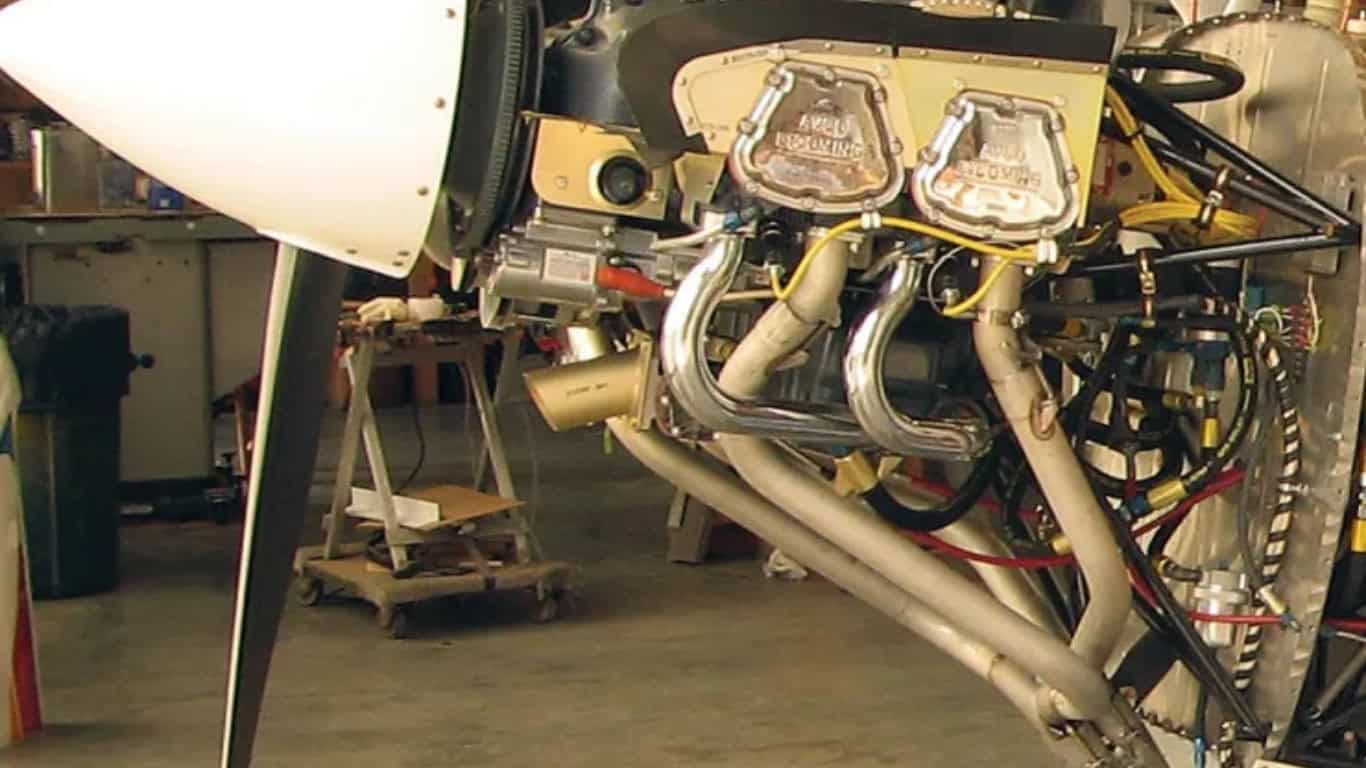
The majority of GA aircraft employ exhaust-heated cabin air systems consisting of a heat exchanger (shroud or muff) surrounding a section of the exhaust pipe. Ambient air flows through the space between the hot exhaust pipe and the outer shroud, where it’s heated by proximity to exhaust temperatures exceeding 1,000°F. This heated air then flows through ducting into the cabin, providing warmth.
This elegantly simple design has one critical vulnerability: only the exhaust pipe wall separates toxic exhaust gases from cabin breathing air. Any crack, hole, or failure in the exhaust pipe section within the heat exchanger allows exhaust gases, containing carbon monoxide concentrations of 10,000 to 70,000 parts per million, to leak directly into the airstream destined for the cabin.
Why This Matters in Winter: During summer operations, pilots use cabin heat minimally or not at all. A small exhaust leak within the heat exchanger might never contaminate the cabin because heat isn’t selected. That same leak becomes immediately dangerous when winter operations require continuous heat usage. Every minute of heat operation delivers contaminated air into the cabin, allowing CO levels to accumulate to dangerous concentrations.
**Heat Exchanger Component Vulnerabilities**
Exhaust Pipe Failures: The exhaust pipe section inside the heat exchanger experiences identical thermal stress as other exhaust components, such as extreme temperatures, thermal cycling, and vibration, while operating in the reduced-oxygen environment within the shroud. Cracks can develop at welds, bends, or anywhere the pipe wall has thinned from corrosion. These cracks allow direct exhaust gas leakage into cabin heating air.
Shroud Integrity: The heat exchanger shroud itself can develop cracks or holes, though this is less common than exhaust pipe failures. Shroud failures don’t directly introduce exhaust into cabin air but can allow engine compartment air, which may contain exhaust gases from other leaks, to mix with heated cabin air.
Connection Failures: Connections between the heat exchanger and cabin air ducting must remain secure and sealed. Loose clamps, deteriorated gaskets, or separated connections allow engine compartment air to contaminate heated air. These connection failures become more common as mounting hardware vibrates and ages.
Ducting Deterioration: Flexible or rigid ducting routing heated air from the heat exchanger to cabin outlets can develop holes, tears, or disconnections. Ducting failures reduce heating effectiveness but more dangerously allow mixing of contaminated engine compartment air with cabin air.
**Combustion Heater Systems**
Some aircraft, particularly higher-performance models and twins, use combustion heaters (such as Janitrol or South Wind systems) that burn fuel independently to generate heat rather than using exhaust heat exchangers. While these systems eliminate the exhaust-heated air vulnerability, they create different CO risks.
Combustion Chamber Leaks: Combustion heaters burn fuel in sealed combustion chambers, with exhaust gases vented overboard separately from heated air. However, cracks or failures in combustion chambers can allow combustion gases (containing CO) to mix with heated air. These failures are less common than exhaust pipe cracks but potentially just as dangerous.
Exhaust System Issues: Combustion heater exhaust systems can develop leaks that allow combustion gases to enter the cabin through airframe penetrations or ventilation system pathways. These leaks may not be immediately obvious since they don’t occur in the primary heating air path.
Maintenance Complexity: Combustion heaters require more complex maintenance than simple exhaust-heated systems. Neglected maintenance can lead to incomplete combustion, producing elevated CO levels even without obvious component failures.
Heat Exchanger Maintenance: Winter Preparation Essentials
Proactive heat exchanger maintenance before winter flying season prevents in-flight CO emergencies and ensures safe heating system operation.
**Pre-Winter Inspection Protocol**
Visual Examination: During the annual inspection preceding winter operations, request thorough heat exchanger examination. If design permits, remove or open shrouds for direct inspection of the exhaust pipe section inside. Look for:
Cracks or gaps in exhaust pipe surfaces
Discoloration patterns indicating hot spots from internal leaks
Corrosion, particularly at low points where condensation accumulates
Shroud cracks or separation from exhaust pipes
Secure ducting connections with proper clamping
Pressure Testing: Heat exchanger sections should be included in exhaust system pressure testing. This technique reveals leaks too small for visual detection. Soap solution applied during pressure testing shows bubbles at leak locations, identifying problems before they cause cabin contamination.
Operational Testing: During ground runs with heat selected at maximum output, monitor CO detectors for any indication of contamination. Run for several minutes allowing the system to reach full operating temperature, as some leaks only manifest under full heat load. Any CO detection during ground testing mandates investigation and repair before flight.
**Component Replacement Considerations**
Exhaust Pipe Age: Exhaust pipes within heat exchangers experience the same thermal stress as other exhaust components. If exhaust manifolds or mufflers are approaching replacement age (typically 1,000-2,000 hours or 10-15 years), consider whether the heat exchanger section also needs replacement. Replacing the entire exhaust system simultaneously may be more cost-effective than piecemeal replacements.
Preventive Replacement: Some operators establish policies to replace heat exchanger exhaust pipe sections on fixed schedules (such as every 10 years) regardless of apparent condition. This proactive approach prevents in-service failures, providing peace of mind during winter operations when heat runs continuously.
Shroud Replacement: When replacing exhaust pipes, consider whether heat exchanger shrouds also warrant replacement. Aged shrouds paired with new exhaust pipes may reveal deterioration not apparent with worn exhaust components that had conformed to shroud irregularities.
**Ducting Inspection and Maintenance**
Annual Examination: Trace the complete heated air path from heat exchanger to cabin outlets during annual inspections. Examine:
Ducting for holes, tears, cracks, or deterioration
Connection security at heat exchanger, firewall penetrations, and cabin outlets
Clamp condition and tightness
Ducting routing avoiding sharp edges, hot surfaces, or moving components
Replacement Criteria: Replace ducting showing significant deterioration, multiple repairs, or age-related degradation. Ducting costs are modest compared to the risks of contaminated heating air.
Alternative Heating Options
Understanding alternatives to exhaust-heated systems helps pilots make informed decisions about heating upgrades or winter operations strategies.
**Electric Heating**
Electric cabin heaters eliminate exhaust-related CO risks by using electrical resistance elements to generate heat. These systems draw substantial electrical current (typically 20-50 amperes) requiring robust electrical systems and appropriate circuit protection.
Advantages:
Zero CO risk from heating system operation
Immediate heat availability on ground before engine start
Precise temperature control
No maintenance of heat exchangers or ducting
Limitations:
High electrical load strains electrical systems, particularly on older aircraft
Heating capacity may be insufficient for large cabins or extreme cold
Installation costs for supplemental electrical heating can be substantial
Increased battery drain during ground operations
Application: Electric heating works well as supplemental or backup heating, allowing reduced reliance on exhaust-heated systems during operations when CO risk is elevated. Some pilots use electric heaters during ground operations and taxi, switching to exhaust heat only in flight when good ventilation is available.
**Combustion Heaters**
As discussed earlier, combustion heaters provide independent heat generation without using exhaust pipes. While requiring more maintenance than simple exhaust-heated systems, they offer advantages for certain operations.
Best Practices for Combustion Heaters:
Strict adherence to manufacturer maintenance schedules
Annual combustion chamber and heat exchanger inspection
Regular exhaust system examination
CO detector monitoring during all operations with heat selected
Prompt attention to any operational anomalies (unusual smells, reduced heat output, cycling problems)
**Clothing and Personal Heating**
The simplest alternative heating strategy involves adequate cold weather clothing reducing reliance on aircraft heating systems. While this doesn’t eliminate the need for cabin heat in extreme cold, it allows reduced heat usage and shorter exposure periods to potential contamination.
Cold Weather Flying Clothing:
Layered insulation allowing adjustment for varying conditions
Insulated gloves that maintain dexterity for cockpit operations
Warm footwear with adequate insulation
Head covering (significant heat loss occurs through head)
Pilots adequately dressed for cold weather can tolerate brief periods with minimal or no cabin heat, allowing immediate heat shutdown if CO is detected without suffering dangerous cold exposure.
Cold Weather Inspection Protocols
Winter operations demand enhanced inspection protocols specifically targeting heating system integrity and CO detection capability.
**Pre-Flight Heating System Checks**
Visual Inspection: During pre-flight, examine visible portions of the heat exchanger and ducting:
Check for fresh soot deposits around heat exchanger connections
Look for discoloration or heat marks suggesting recent leaks
Verify ducting connections appear secure
Ensure cabin heat controls move freely through full range
Ground Test Procedure:
Start engine and bring to normal operating temperature
Verify CO detector is functioning and reading zero or near-zero
Select cabin heat to maximum output
Monitor CO detector continuously for 3-5 minutes
Any CO detection warrants immediate investigation before flight
This ground testing catches heating system contamination before flight, preventing in-flight emergencies. Make ground testing with heat on a standard part of cold weather pre-flight procedures.
**In-Flight Monitoring**
Initial Heat Activation: When first activating cabin heat during flight, monitor CO detector closely for 2-3 minutes. Some leaks only produce detectable contamination under specific pressure and temperature conditions occurring in flight.
Continuous Awareness: Throughout flights with cabin heat operating, periodically glance at your CO detector verifying continued zero readings. Even brief glimpses every 10-15 minutes ensure early detection of any contamination developing during flight.
Response to Any Detection: Any CO detection above ambient levels (typically 0-5 ppm) warrants immediate response:
Shut off cabin heat
Maximize ventilation
Monitor CO levels
Land at nearest suitable airport if levels exceed 25-30 ppm or if symptoms develop
Don’t rationalize or dismiss low CO readings hoping they’ll resolve. Respond to early warnings before dangerous exposure occurs.
**Post-Flight Procedures**
Exhaust Inspection: After flights with extended heat usage, conduct post-flight exhaust system examination looking for:
New soot deposits suggesting developing leaks
Changed discoloration patterns
Any indications of component deterioration
Detector Verification: Check CO detector after flight to ensure it remains functional. Some electronic monitors display peak exposure values. Review these to verify no unnoticed CO exposure occurred.
Maintenance Scheduling: If winter operations reveal any heating system concerns, such as minor CO detection, reduced heat output, unusual operation, schedule immediate maintenance rather than continuing flight operations hoping problems resolve spontaneously.
Establishing Safe Winter Operating Procedures
Develop Personal Minimums: Establish clear policies for winter heat usage:
Maximum acceptable CO detector reading before shutting off heat (recommend 25-30 ppm)
Ground test duration with heat operating (recommend 3-5 minutes minimum)
Frequency of in-flight CO detector monitoring (recommend every 10-15 minutes)
Actions triggered by any CO detection
Pre-Winter Equipment Check:
Verify CO detector function and sensor currency
Replace passive detection cards if approaching expiration
Check battery status on electronic monitors
Test alarm function
Emergency Preparedness: Brief passengers on CO emergency procedures before winter flights. Ensure they understand:
CO detector location and what alarms mean
Ventilation controls and how to maximize fresh air
Emergency response if pilot becomes impaired
Documentation: Maintain records of heating system maintenance, ground tests, and any CO detection events. This history identifies trends and supports maintenance decisions.
Conclusion
Aircraft heating systems provide essential comfort for winter operations but create the most direct pathway for carbon monoxide intrusion into your cabin. Understanding these vulnerabilities, implementing rigorous inspection protocols, and maintaining vigilant monitoring during heat usage transforms winter flying from a high-risk activity into safely managed operations.
The key principles for winter CO safety are straightforward: inspect heating systems thoroughly before winter season, test ground operations with heat selected and CO monitoring active, watch your detector continuously during flights with heat operating, and respond immediately to any CO detection by shutting off heat and maximizing ventilation.
Winter flying doesn’t require accepting elevated CO risks, it requires acknowledging those risks and implementing protective measures appropriate to the threat level. Proper maintenance, reliable detection equipment, and disciplined operational procedures allow you to enjoy comfortable winter flying while maintaining the same safety margins you expect during other seasons.
Learn more about carbon monoxide detection in general aviation, emergency response procedures, and exhaust system inspection in our comprehensive guide series.